Elevate
Your Mind
“I am the way and the truth and the life. No one comes to the Father except through me” (John 14:6).
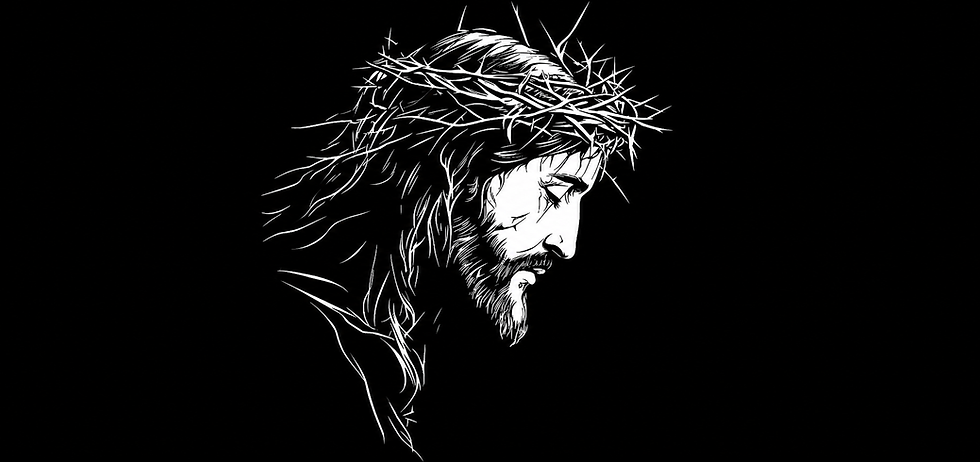
The Way
When the mind is anchored in the Holy Scriptures, the entire body is united with God, making Christ the living path (The Way), absolute reality (The Truth), and ultimate destination (The Life).
The Light That Shines Through Darkness
Welcome to TheGoodNewsCast.com, a ministry that embodies Christ (the Truth) and shines His light in the world as the path (the Way) for spiritual living (the Life).
philanthropy & Goodwill
TheGoodNewsCast.com roots our nation’s (America) culture of community service and civic responsibility in God’s Word, ensuring that such endeavors reflect the work of God rather than a mere form of power that denies His presence. Acts of compassion and good deeds should aknowledge His amazing grace with an understanding that apart from Him we could do nothing.
Authority that Glorifies the Father
TheGoodNewsCast.com anchors its identity in biblical truth (John 17:17), which affirms its position and authority to judge, which has the ultimate goal of glorifying the Father, who identifies His Son as One who walks blamelessly before Him.
"By My Spirit"

TheGoodNewsCast.com believes that civic harmony, peace, and stability are possible. Our platform may at times illuminate this ideal balance where power is shared between the federal government and individual states according to the limits and protections of the U.S. Constitution, which divides power into three co-equal branches—the legislative (Congress), executive (the President), and judicial (the Supreme Court)—which monitor and balance each other through a system of checks and balances.
Peace, justice, and societal well-being are God-given ideals that every nation repeatedly tries to establish through systems of power and resources, either by strength (physical force, workforce capacity, political might, or material resources) or by prowess (exceptional skills, talent, tactical ability, or mastery.)
In the past, God's prophets have repeatedly addressed these attempts as recorded in Holy Scriptures, reminding them that their efforts alone are not enough: "Not by strength, nor by prowess, but by my Spirit," saith Commander of heavenly armies (Zechariah 4). The fulfillment of these God-given ideals cannot be achieved without God's intervention.
God has provided the way in Christ, and whosoever believes in Him embodies the truth and operates by God's spirit in which the fulfillment of true life is possible.